
Before you hire a website design agency in Utah, define your goals and budget. Decide who will own the finished site. Then ask every agency about its process, platforms, timeline, and support after launch. The right partner builds around your business, not around what is easiest for them.
At Flitch Creative, we have designed and built websites from our St. George studio for about 15 years. We have seen business owners lose time and money on avoidable mistakes. This guide covers what to sort out before you sign anything.
Start With What Your Website Needs To Do
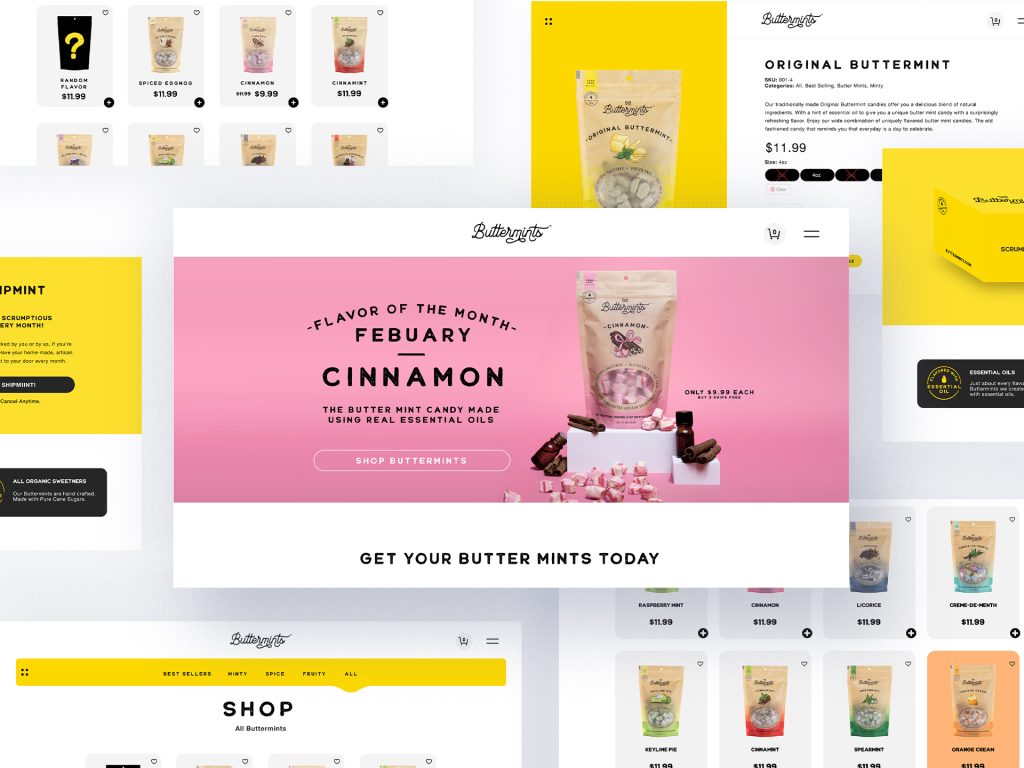
Your website is a business tool. Decide its main job before you talk to a single agency.
Common goals include:
- Generating phone calls and form leads
- Selling products online
- Booking appointments or consultations
- Recruiting new employees
- Building credibility with investors or partners
Write down the one action you most want a visitor to take. That answer shapes the design, the page structure, and the platform. It also gives you a clear way to judge every proposal you receive.
Know What Drives Website Design Cost In Utah
Website pricing varies widely across Utah. A template site from a freelancer costs far less than a custom build with e-commerce and integrations. These factors move the price the most:
- Page count and templates: More unique page layouts mean more design and development hours.
- Custom design vs. a theme: A custom design fits your brand exactly. A theme costs less but looks like other sites.
- E-commerce: Product counts, variants, and shipping rules add complexity.
- Integrations: Connecting a CRM, booking tool, or inventory system takes extra development.
- Content: Copywriting, photography, and video add cost but often make the biggest difference.
- Ongoing support: Hosting, security updates, and maintenance carry monthly costs.
Ask every agency for a written estimate. It should list what is included and what is not. We publish our engagement minimums on our FAQ page so you know where we stand before the first call.
Ask The Right Questions Before You Sign
A short interview tells you a lot about an agency. Bring these questions to every call:
- Who will work on my project, and will I talk to them directly?
- What platform do you recommend for my business, and why?
- Who writes the content and supplies the photos?
- How many rounds of revisions are included?
- What does the timeline look like from kickoff to launch?
- Who owns the domain, design files, and code after launch?
- What happens if something breaks after launch?
- Can I see live sites you built for businesses like mine?
Pay attention to how each agency answers. A strong partner explains tradeoffs in plain language. Vague answers or pressure to sign quickly are warning signs. You can browse our past projects to see how we approach this.
Pick A Platform That Fits Your Business
No single platform works best for every business. Our web team builds in Shopify, WordPress, and React with a headless CMS. Each one fits a different need:
- WordPress: A flexible choice for service businesses, content-heavy sites, and blogs.
- Shopify: Built for online stores. It handles checkout, payments, and inventory well.
- Custom or headless builds: These separate the front end from the content system. They suit brands that need a unique experience or more control.
Custom builds cost more and need a developer for ongoing changes. Be cautious of any agency that pushes the same platform on every client.
Make Sure You Own Your Domain And Website
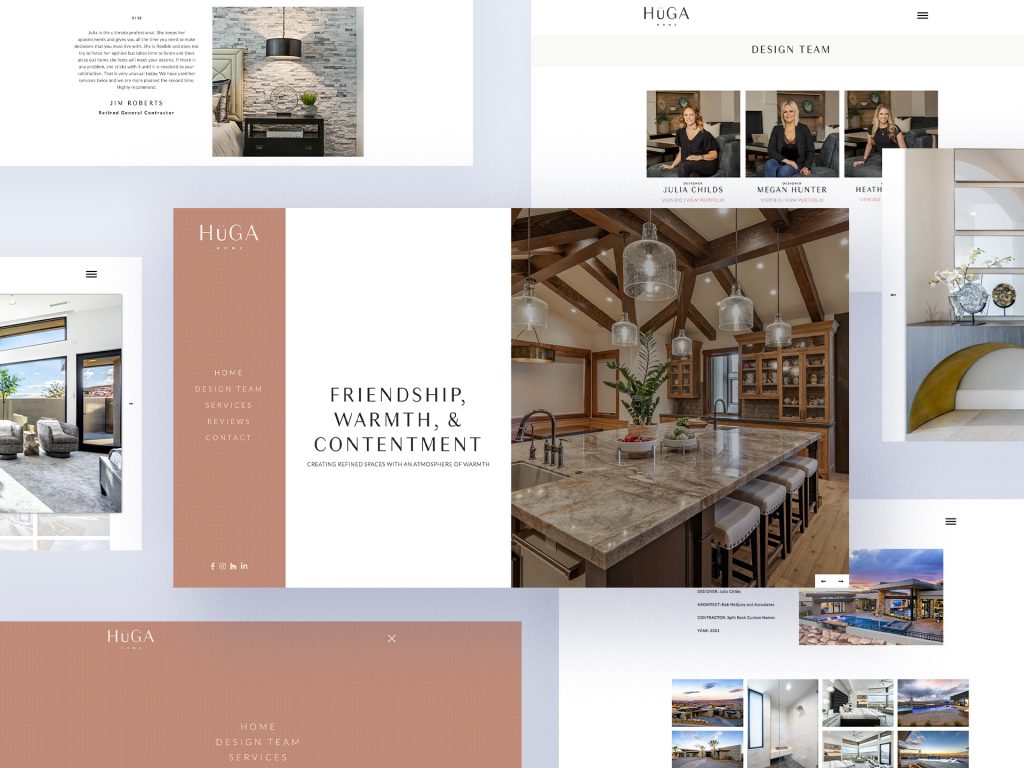
Ownership causes more headaches than almost any other issue. Register your domain under your business name, not your agency’s account. ICANN defines the registrant as the person or entity who registers the domain. The registrant manages it through the registrar.
You should also hold admin access to these accounts:
- Your domain registrar
- Your hosting account
- Your website’s content management system
- Google Analytics and Google Search Console
Read the contract for language about design files and code. If you ever switch agencies, you want to take your website with you.
Do Not Skip Speed, Mobile, And Accessibility
A beautiful site still fails if it loads slowly or frustrates visitors. Google recommends good Core Web Vitals for success in Search. Google sets these targets for a good experience:
- Largest Contentful Paint (LCP): The main content loads within 2.5 seconds.
- Interaction to Next Paint (INP): The page responds to clicks in under 200 milliseconds.
- Cumulative Layout Shift (CLS): The layout stays stable, with a score below 0.1.
Mobile matters just as much. Many of your visitors will find you on a phone, so the mobile version needs equal attention.
Accessibility deserves a seat at the table too. The U.S. Department of Justice states that the ADA applies to websites of businesses open to the public. It points to the Web Content Accessibility Guidelines (WCAG) as helpful guidance. Ask each agency how it tests for accessibility. Talk with your attorney about specific compliance questions.
Plan For SEO From Day One
Search engine optimization works best when your agency builds it in from the start. A redesign without an SEO plan can wipe out traffic you spent years building.
Make sure your agency handles these basics:
- Clean, readable URLs
- A unique page title and meta description for every page
- A logical heading structure on each page
- Internal links between related pages
- Schema markup that describes your business
- 301 redirects from old URLs to new ones
Clear content also helps AI search tools understand your business. Spell out who you are, what you offer, and where you work. Vague copy helps no one, human or machine.
Set Realistic Expectations For Your Timeline
Website timelines depend on scope, content, and feedback speed. Our project-based e-commerce sites typically take 8 to 16 weeks, including content and messaging.
Delays rarely come from design or development. They usually come from missing content or slow approvals. Name one decision-maker on your team. Gather your photos, product details, and brand assets before kickoff.
Think Beyond Launch Day
Launch day starts a new phase. Your site needs security updates, backups, plugin updates, and fresh content to stay healthy.
Ask each agency what support looks like after launch. At Flitch, our team covers the full life of a website:
- Katie Czappa, our Senior Designer, creates web designs.
- Rex Frisbey, our Director of Web Services, builds custom, dynamic sites.
- Abdul Ojeda, our Junior Web Developer, keeps client sites running smoothly and securely.
We also offer web hosting and maintenance, so you have one team to call. A website also performs better with strong visuals behind it. Our photo and video team produces that content in-house. See samples on our YouTube channel.
Should You Hire A Local Utah Agency?
A local agency understands your market, your competitors, and your customers. You can also meet face-to-face when it counts.
Our studio sits in the Red Cliffs Professional Park in St. George. We meet clients in person or over Zoom. We work with businesses across Utah and in surrounding states.
How Flitch Creative Approaches Website Design
We do not prescribe a solution until we understand the problem. Every project follows our four-step method:
- Listen: We hold a discovery meeting to learn about your brand and its challenges.
- Analyze: We review what we learned and research your market.
- Diagnose: We pinpoint the real issue using our experience and an outside perspective.
- Prescribe: We recommend solutions with cost and timeline estimates.
No work begins until you approve those estimates. That way, you know exactly what you are getting before we start.
Let’s Talk About Your Next Website
Got a website project on your mind? Call us at 435-652-4020 to book a free discovery consultation. You can also reach our team through our contact page. We will help you figure out what your business needs before you spend a dollar.
Flitch Creative
321 N Mall Drive
Bldg. A, Suite 201
St. George, UT 84790