
When it comes to building a brand that resonates with consumers, few elements are as powerful as color. The psychology of color in branding can significantly influence how potential customers perceive a business, its brand personality, and overall brand identity. For businesses in Utah, understanding color psychology can help create a brand strategy that not only looks great but also drives real results.
Why Color Matters in Branding
Colors are more than just visual choices. They are a powerful marketing tool that can affect human behavior and influence purchasing decisions. Brands use specific colors to convey a certain image, create emotional connections, and persuade consumers in subtle ways. In fact, color plays a major role in how buyers perceive new brands and established ones alike.
Consumers perceive colors based on both psychological principles and cultural background. For example, the same color can evoke specific feelings in one culture and entirely different emotions in another. Understanding these differences is crucial when designing a brand identity that appeals to your target audience in Utah or beyond.
How Color Influences Consumer Behavior

Color psychology is closely tied to consumer behavior. Certain colors can stimulate appetite, draw attention, or convey luxury and sophistication. Fast food chains often rely on red and yellow because these hues are attention grabbing and encourage quick decision making. On the other hand, luxury brands may use black logos or purple to convey exclusivity and passion.
By taking a closer look at the color spectrum, brands can make informed decisions about which hues best communicate their message. A red logo, for example, can create excitement and urgency, while blue tends to build trust and loyalty. Green is often associated with health and nature, making it a smart choice for brands like Whole Foods or environmentally conscious businesses in Utah.
The Role of Color in Brand Recognition
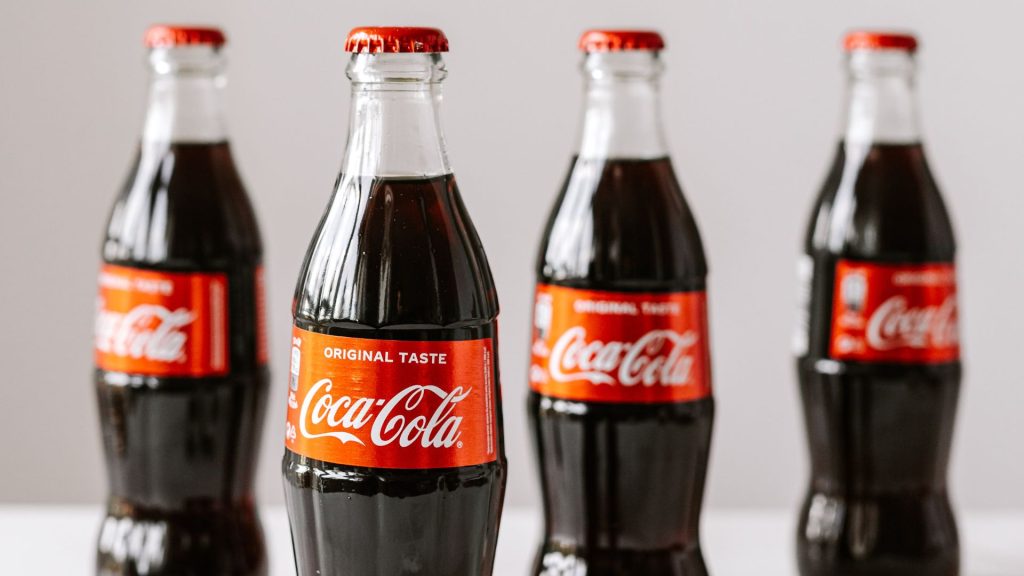
Color choices directly impact brand recognition. When used consistently across marketing materials, website design, and packaging, colors help consumers identify a brand at a glance. Coca Cola’s red logo is one of the most popular logo colors globally because it creates distinct associations and an emotional connection that persists over time.
A well-chosen palette supports brand positioning and brand stand. By aligning color combinations with your brand personality, you can increase brand recognition and ensure potential customers remember your brand. This is especially important for new brands trying to create a strong presence in Utah’s competitive markets.
Cultural Differences and Personal Preferences
Cultural differences play a role in how people perceive colors. For instance, red may signify luck and prosperity in eastern cultures but represents danger or urgency in western contexts. Personal preferences also matter, as certain colors naturally appeal more to some consumers than others.
Brands must consider these factors when choosing colors to convey the right message. A brand strategy that ignores color appropriateness may confuse consumers or weaken the emotional connection that drives purchasing decisions.
Using Color Psychology to Convey Emotions
Color is closely tied to emotion. Marketing experts use color psychology charts to guide decisions about which colors convey specific emotions. For example, yellow can evoke happiness and optimism, while blue creates a sense of trust and calm. Orange is often seen as playful and energetic, making it useful for brands looking to create a fun image.
By using colors intentionally, businesses can stimulate the right emotions in potential customers. Purple conveys creativity and luxury, making it a favorite color for brands like Victoria’s Secret, while black logos communicate sophistication and power. These associations influence how buyers perceive the brand and guide their decision making in a subtle but meaningful way.
Applying Color Theory to Marketing
Color theory provides general guidelines for choosing colors that work well together. Successful brands use color combinations that complement each other while aligning with their brand personality. A consistent color palette helps create a cohesive brand identity that communicates the right message to potential customers.
A color-appropriate brand strategy makes sense because it turns color into a powerful tool for marketing. By understanding how consumers perceive different colors, businesses can craft an image that resonates and encourages action. This is why every brand should take a closer look at its color choices before launching new campaigns or redesigning logos.
Practical Tips for Choosing Colors for Your Utah Brand
- Know Your Target Audience – Consider your customers’ preferences and cultural background. The right color may vary for different segments.
- Align Colors with Brand Personality – A playful brand might choose bright, energetic colors, while a luxury brand may opt for muted, sophisticated tones.
- Use a Color Psychology Chart – This helps ensure colors convey the intended emotions and influence consumer behavior effectively.
- Be Consistent – Consistent color use across websites, social media, and packaging increases brand recognition.
- Test Specific Colors – Experimenting with different shades can reveal which hues resonate most with your audience and stimulate the desired emotional response.
Examples of Color Impact
- Fast Food Chains – Red and yellow stimulate appetite and drive quick decision making.
- Luxury Brands – Black logos and purple convey sophistication and exclusivity.
- Cultural Sensitivity – Brands expanding internationally must consider how colors are perceived in eastern cultures versus western cultures.
- Personal Preferences – Favorite color research can guide product packaging and promotions.
Bringing It All Together
For businesses in Utah, understanding the psychology of color in branding is more than a creative exercise. It is a strategic approach that influences consumer behavior, supports brand positioning, and helps brands stand out in a crowded marketplace. By leveraging color theory and psychological principles, businesses can make better marketing decisions and increase brand recognition.
Whether you are launching new brands, rebranding, or refining your brand identity, color is a powerful tool that can convey the right message and create an emotional connection with your potential customers. With the right color choices, your brand can capture attention, stimulate emotions, and persuade consumers the same way Coca Cola has done for decades.
At Flitch, we help Utah businesses create brand strategies that make sense, using color and design to convey your brand personality effectively. If you have questions about branding, marketing, or color choices for your business, contact us today. Let us help you create a brand that stands out, resonates with your audience, and drives results.